
Skip to content
Resiter
Explore Resiter

Field thinking

Practical considerations for materials, operations and environmental management.

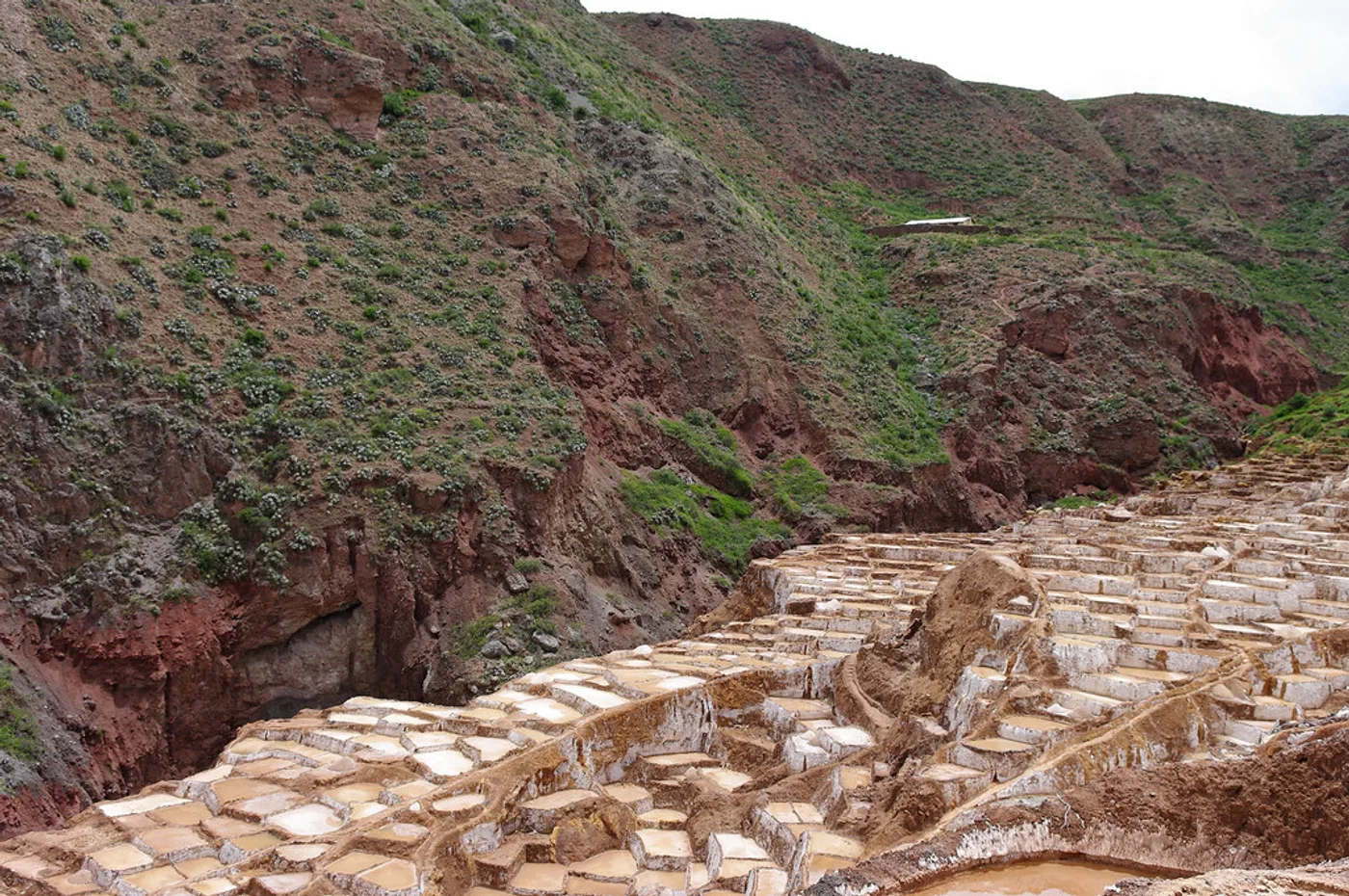
Salt terraces in Maras, Peru

Start at the source

Segregation protects the next stage of a waste stream.

A recovery route can be lost before a collection vehicle reaches the gate. When incompatible materials enter the same container, a previously recoverable stream may require a different treatment. Segregation is therefore an operating decision, not simply a choice of bin colour.

Explore article →

Peruvian valley landscape

Follow the material

Traceability connects a movement with a documented destination.

A collection record explains that a material left a site. Traceability must also establish what moved, who accepted responsibility and where the material subsequently went. These questions connect the physical journey with the evidence retained by the generating operation.

Explore article →
Open water landscape

Design a recovery chain

Circularity needs a practical route from collection to use.

A recoverable material does not automatically have a recovery route. The chain needs a receiving specification, a viable collection arrangement and an onward use. Designing backwards from the destination makes those requirements visible before a site commits to segregation equipment.

Explore article →
Water surface

Plan the site interface

Environmental services need to fit an operating mine.

Environmental work at a mine shares roads, work areas and time with production activity. A service plan that considers only the waste task can miss the conditions that determine whether a crew can reach the location and work safely.

Explore article →
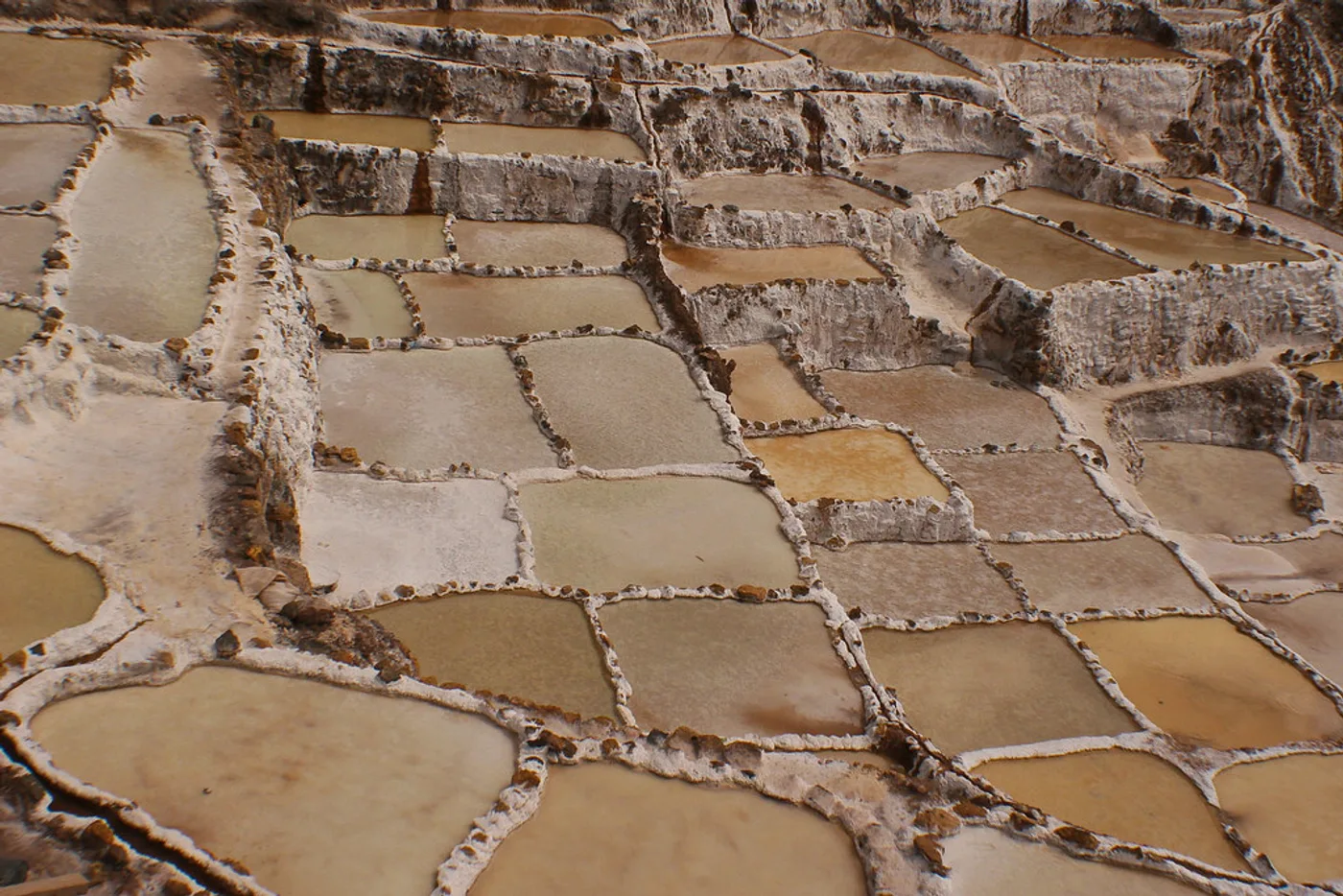
Salt terraces in Maras, Peru

Understand the water scope

Define the conditions before selecting a technical response.

Water-related environmental work begins with a question about the actual operating problem. Collection, transfer, treatment and remediation are different scopes. A request to manage water needs enough context to determine which decisions require technical assessment.

Explore article →
Peruvian valley landscape

Make learning practical

Daily decisions matter in an environmental programme.

A training session is useful when it changes the decision someone makes at work. For waste management, that decision may be where to place a material, when to report a damaged container or how to recognise that a collection arrangement has changed.

Explore article →